Turnitin and Humanizer: The Battle Between AI Detection and Evasion Tools
Introduction
The academic landscape has been fundamentally transformed by artificial intelligence. As AI writing tools like ChatGPT, Gemini, and other large language models become increasingly sophisticated, educational institutions face unprecedented challenges in maintaining academic integrity. At the center of this technological tug-of-war stands Turnitin—the industry-standard plagiarism detection software—and a new generation of tools known as “humanizers” designed to bypass AI detection systems. This article explores the complex relationship between these technologies, the ethical implications, and what it means for the future of academic honesty.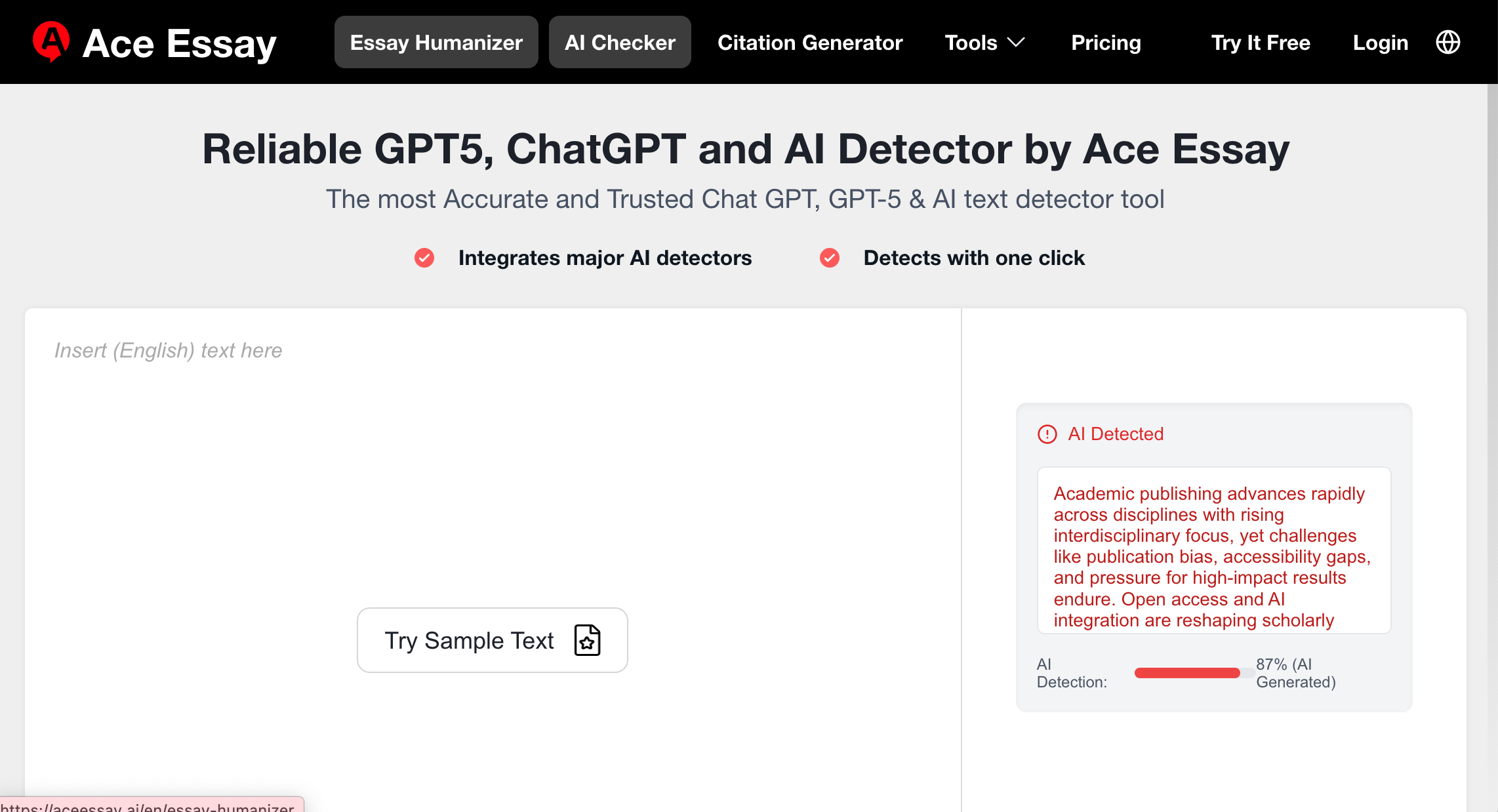
Understanding Turnitin’s AI Detection Capabilities
Turnitin has evolved far beyond its original purpose of detecting copied text. In response to the surge of AI-generated content, the platform developed sophisticated AI detection capabilities that analyze writing patterns to identify machine-produced text.
According to Turnitin’s official resources, their AI writing detection tool is designed to “ensure academic integrity” by identifying content generated by AI systems. The technology examines various linguistic features, including sentence structure variability, word choice patterns, and writing flow characteristics that typically differ between human and AI-generated content.
In August 2024, Turnitin announced significant expansions to its offerings, including AI-powered grading tools and enhanced classroom digitization solutions. These updates reflect the platform’s commitment to adapting to the rapidly changing educational technology landscape.
However, Turnitin’s AI detector hasn’t been without controversy. Reports indicate that the platform updated its AI detector after widespread student and faculty concerns over false positives, opaque scoring methods, and equity issues. The update focused on implementing stricter confidence thresholds and providing clearer reporting to address these valid concerns.
The Rise of AI Humanizer Tools
In direct response to AI detection technology, a new market has emerged: AI humanizer tools. These services claim to transform AI-generated content into text that bypasses detection systems, essentially “humanizing” machine-produced writing.
Websites like HumanizeAI.io and Humanize.ai offer free online tools that promise to convert AI-generated content into “human-like, engaging text.” These platforms typically use advanced paraphrasing techniques that modify sentence structures, alter word choices, and introduce subtle imperfections meant to mimic natural human writing patterns.
According to one analysis, tools like GPTinf and similar humanizers have achieved reported human-likeness scores of 95-98% on various detection platforms. Some humanizers even market specific features like “bypass Turnitin” modes, directly targeting educational integrity systems.
The technology behind these tools goes far beyond simple paraphrasing. As noted by Humanize AI’s marketing, these services understand “sentence rhythm, word choice patterns, and subtle imperfections that make writing actually feel human”—a concerning development for academic institutions.
The Ethical and Practical Implications
Student Concerns and False Positives
Perhaps the most troubling aspect of this technological arms race is the impact on legitimate students. Research has shown that Turnitin’s AI detection has falsely flagged legitimate student work, raising serious questions about the reliability of these systems.
A recent report by the UK’s Office of the Independent Adjudicator (OIA) documented cases where university sanctions were overturned after students were wrongly accused of using AI-generated content. Vanderbilt University went so far as to disable Turnitin’s AI detector entirely in August 2023 after months of testing revealed significant reliability issues.
Some students have been affected more than others. Research indicates that non-native English speakers and students who write in a more structured, formal style are disproportionately flagged by AI detection tools—a troubling equity concern that undermines the fairness of these systems.
Academic Integrity at Stake
The existence of humanizer tools fundamentally challenges the concept of academic integrity. When students can easily circumvent detection systems, the educational value of writing assignments becomes questionable. The purpose of academic writing—to develop critical thinking, research skills, and the ability to articulate ideas—becomes hollow when the actual writing can be outsourced to machines.
Educational institutions face a difficult balancing act. They must:
- Adapt to new technologies without completely prohibiting AI assistance
- Maintain academic standards while recognizing the changing nature of writing
- Protect legitimate students from false accusations
- Develop fair assessment methods that account for AI’s role in modern workflows
The Arms Race Continues
The relationship between Turnitin and humanizer tools represents a classic technological arms race. As detection methods improve, evasion techniques become more sophisticated, and vice versa. This dynamic creates an unstable environment where neither technology can provide definitive answers.
Turnitin’s approach has been to continuously update its detection models as new large language models are released. According to industry analysis, the platform’s AI detection capabilities evolve on a regular cadence to keep pace with emerging AI systems. However, humanizer tools quickly adapt to these changes, creating a seemingly endless cycle.
Some experts question whether this arms race is ultimately winnable. The fundamental challenge is that AI writing detection and AI writing generation rely on similar underlying technologies—natural language processing and machine learning—which means each side can potentially anticipate the other’s methods.
Recommendations for Students and Educators
For Students
- Understand your institution’s policies regarding AI assistance and always disclose when you’ve used AI tools
- Focus on learning rather than detection-bypassing—the skills you develop matter more than any single assignment
- If falsely accused, know your rights and be prepared to provide evidence of your writing process
- Use AI as a learning aid, not a replacement for your own intellectual contribution
For Educators
- Rethink assessment methods to focus on processes rather than final products
- Diversify evaluation criteria to include oral presentations, drafts, and collaborative work
- Stay informed about both AI capabilities and detection limitations
- Consider disabling AI detection if your institution’s experience mirrors Vanderbilt’s concerns
- Communicate clearly with students about acceptable AI use in your courses
Conclusion
The battle between Turnitin and humanizer tools represents a microcosm of larger questions about authenticity, technology, and education in the AI age. While detection tools like Turnitin continue to evolve in response to AI-generated content, humanizer tools persistently push back, creating an ongoing technological chess match with real consequences for students and educators alike.
The most prudent path forward may not be found in more sophisticated detection or evasion technologies, but in a fundamental rethinking of what academic assignments are meant to accomplish. As AI becomes increasingly integrated into professional and personal life, educational institutions must adapt their assessment methods to emphasize skills that AI cannot replicate: critical thinking, creativity, emotional intelligence, and authentic human connection.
Until then, the arms race between Turnitin and humanizers will continue—a race that ultimately serves neither educational excellence nor genuine academic integrity. The question is not whether we can detect AI-written content, but whether we can cultivate the intellectual growth that makes such detection necessary.
Key Takeaways:
- Turnitin’s AI detection has faced criticism for false positives and equity issues
- Humanizer tools claim to bypass detection with high success rates
- Both technologies are engaged in an ongoing arms race
- The ethical implications extend far beyond simple detection vs. evasion
- The ultimate solution may require reimagining academic assessment rather than improving detection